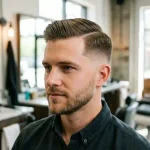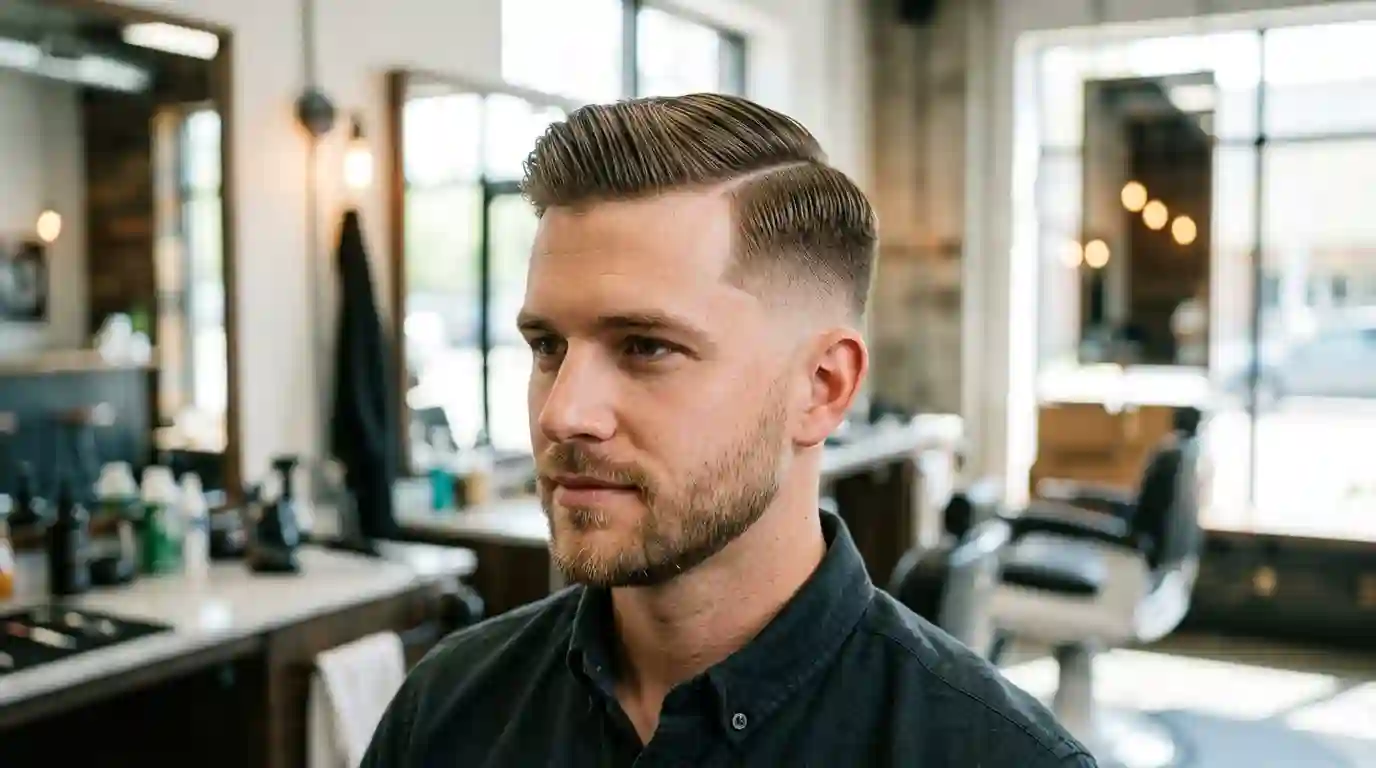
Classic taper haircuts are a great choice for men who want a clean and simple look. This haircut keeps the hair shorter around the sideburns and neckline. The hair on top stays longer, so you can style it in many ways.
A classic taper works with straight, wavy, curly, and thick hair. You can choose a short top, a medium top, or a longer style. It can also look good with a beard.
Whether you need a haircut for school events, work, or a formal occasion, the classic taper offers many choices. In this guide, you will learn about different classic taper haircuts, hair types, styling tips, and ways to talk to your barber.
What Is a Classic Taper Haircut?
A classic taper haircut slowly changes from longer hair to shorter hair around the sides and neckline. The change is smooth and natural. The hair does not always go down to the skin.
Many men choose this haircut because it looks neat without being too bold. It also works with many top styles, such as a side part, comb-over, quiff, or textured top.
A classic taper cut can be short or medium-length. Your barber can adjust it to match your hair type and the look you want.
Why Are Classic Taper Haircuts Popular?
Classic taper haircuts for men are popular because they are easy to style and work with many outfits. The clean sides create a neat shape, while the longer top gives you room to try different looks.
You can keep the top short for simple care or leave it longer for more styling choices. The haircut can look traditional, modern, or relaxed, depending on how you style it.
Another benefit is that you can change the top without changing the basic taper around the sides and neckline.
Best Classic Taper Haircuts for Men
There are many classic taper haircuts for men. Each style has a different look, so you can choose one that suits your hair and daily routine.
Classic Taper With a Side Part
A side part is a timeless choice. The hair is divided on one side and combed into place. This creates a neat look for work, family events, and formal occasions.
You can keep the top short or leave it a little longer. A small amount of styling cream can help keep the hair in place.
Classic Taper With a Comb-Over
A comb-over moves the hair from one side to the other. It works well with straight or wavy hair and can look both simple and smart.
Ask your barber to leave enough length on top so you can comb the hair easily.
Classic Taper With a Textured Top
A textured top gives the hair more movement. Instead of lying flat, the hair has a natural, slightly messy look.
Matte paste or texture powder can help shape this style. Use a small amount so the hair does not look heavy.
Classic Taper With a Slicked-Back Top
This style has hair brushed backward from the forehead. It creates a smooth finish and works well for people who like a neat appearance.
Pomade or styling cream can help hold the hair in place. You may need a little extra time to style this look each day.
Classic Taper With a Quiff
A quiff has more height at the front. The hair is lifted and shaped away from the forehead.
A quiff can work with a classic taper and many hair types. A hair dryer and a small amount of styling product can help create the shape.
Classic Taper With a Pompadour
A pompadour keeps more volume at the front and top. The hair is brushed upward and backward to create a fuller look.
This style usually needs more styling than a short taper. Ask your barber to choose a top length that is easy for you to manage.
Classic Taper With an Ivy League Cut
The Ivy League is a short, neat hairstyle that often includes a side part. It is a good option if you want a classic look without a long top.
This haircut can work well for work, school events, and other formal settings.
Classic Taper With a French Crop
A French crop has a short top and a fringe at the front. The fringe may sit straight or have a little texture.
This style is simple to manage and can give a classic taper a more modern look.
Classic Taper With a Crew Cut or Buzz Cut
A crew cut has short hair on top, while a buzz cut keeps the hair very short. Adding a taper around the sides and neckline helps keep the haircut neat.
These styles are useful if you prefer a short haircut that needs little daily styling.
Other Classic Taper Styles
You can also try a flat top, textured spikes, faux hawk, or blowout with tapered sides. If you prefer longer hair, a man bun or top knot may work when enough length is left on top.
These styles have different shapes, but the taper keeps the sides and neckline neat.
Types of Taper Haircuts
Different types of taper haircuts create different finishes. The main difference is where the shorter blend begins and how short the hair becomes.
Classic Taper
A classic taper has a soft, natural finish around the sideburns and neckline. It is a good choice if you want a traditional haircut.
Low Taper
A low taper starts close to the ears and neckline. It keeps more length on the sides and gives the haircut a soft finish.
Mid Taper
A mid taper starts higher on the sides than a low taper. It creates a more noticeable change in hair length.
High Taper
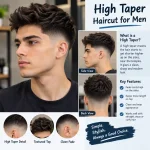
A high taper starts higher on the head. It can make the difference between the short sides and longer top more noticeable.
Classic Taper Fade
A classic taper fade combines a traditional taper shape with a closer blend around the edges. The exact finish depends on how short the barber cuts the hair.
Classic Taper Low Fade
A classic taper low fade keeps the shorter blend near the ears and neckline. It can work with a short top, side part, or curly hair.
Skin Taper
A skin taper takes the hair down to the skin in selected areas near the sideburns or neckline. Ask your barber how close the cut will be before choosing this option.
Temple Taper
A temple taper focuses on the hair around the temples. It can be paired with short hair, curls, waves, or a longer top.
Drop Taper Fade
A drop taper fade follows a curved shape around the back of the head. It creates a different outline from a straight taper.
Classic Taper vs. Undercut
A classic taper blends the hair gradually around the sides and neckline. An undercut often has a stronger line between the short sides and the longer top.
Choose a classic taper for a softer finish or an undercut if you prefer a clearer difference in length.
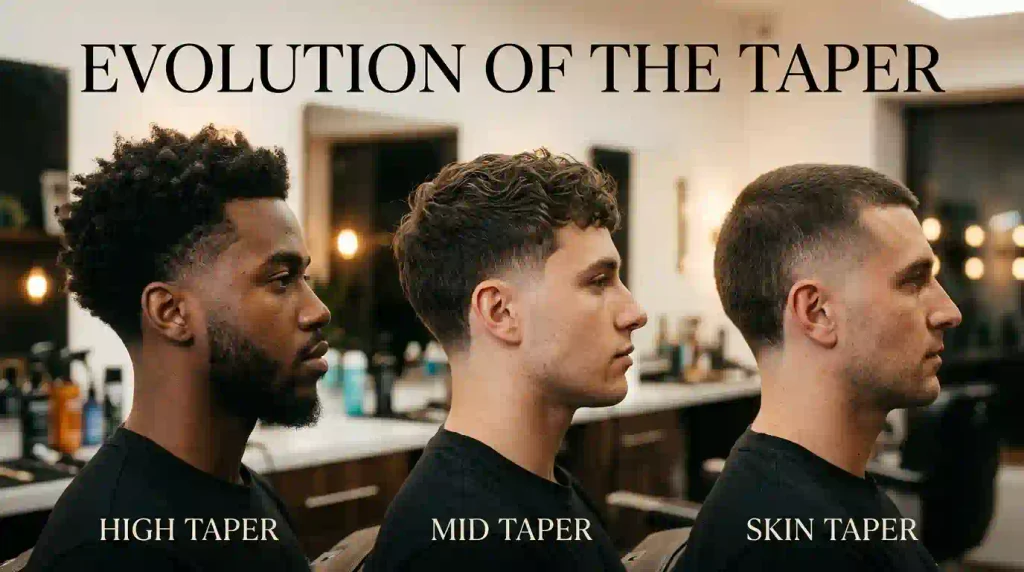
Classic Taper With a Medium Top
A classic taper with a medium top gives you more ways to style your hair. You can comb it to one side, brush it backward, or leave it loose and textured.
This haircut can work with straight, wavy, and curly hair. The best length depends on how your hair grows and how much time you want to spend styling it.
Ask your barber to keep enough length for your chosen style while making the sides and neckline neat.
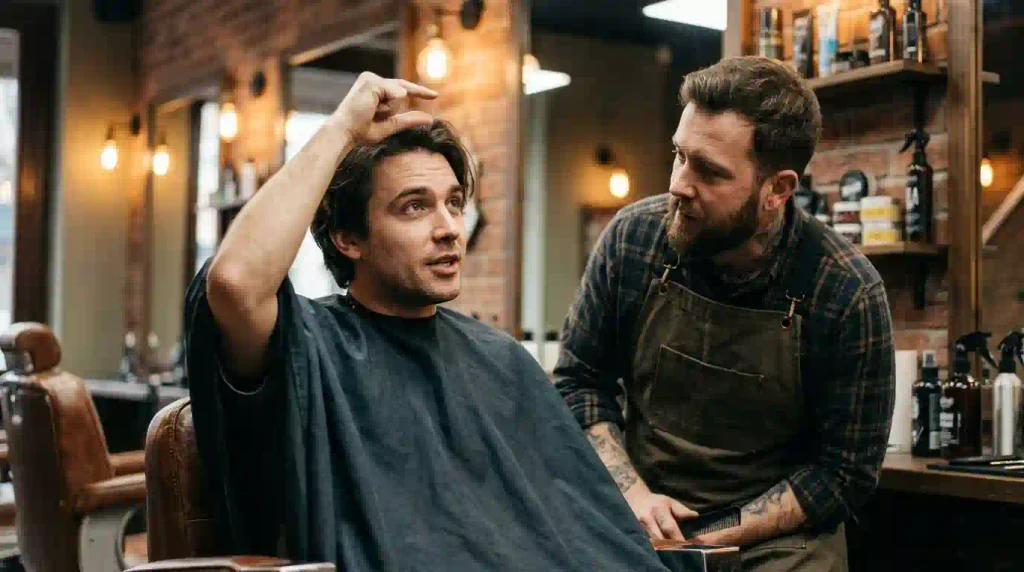
Classic Taper Haircuts for Different Hair Types
Your hair type can affect how a classic taper looks. A good barber will consider your natural texture, hair thickness, and preferred length before cutting.
Classic Taper for Straight Hair
Straight hair works well with a side part, comb-over, slicked-back top, or Ivy League cut. If your hair looks flat, a little texture can help it move more naturally.
Classic Taper for Wavy Hair
Wavy hair adds natural movement to the top. You can keep the waves loose or use a small amount of styling cream to shape them.
A medium top can help show the natural wave pattern.
Classic Taper for Curly Hair
Classic taper haircuts for curly hair keep the sides and neckline neat while leaving curls on top. You can choose short curls or leave more length for extra volume.
Short curly haircuts for men with a classic taper fade are another option. They keep the curls visible while creating a closer blend around the edges.
Tell your barber how much curl length you want to keep. Curly hair can look shorter after it dries, so discuss the final length before the cut begins.
Classic Taper for Coily and Natural Hair
Coily hair can work with a classic taper, an Afro top, or a high-top shape. Some men also choose twists, a twist-out, short dreads, or cornrows with tapered sides.
Type 3 hair usually has a curly pattern, while Type 4 hair often has a tighter coil pattern. These labels describe common hair textures, but every person’s hair is different.
If you want braids or another longer style, explain this to your barber before the sides are cut.
Classic Taper for Thick Hair
Thick hair can create a full top. Your barber may use scissors or thinning shears to reduce extra bulk while keeping the shape you want.
A textured crop, quiff, or side part can work well with thick hair.
Classic Taper for Fine or Thin Hair
Fine hair can work with a short top, side part, or Ivy League cut. Light styling products may help add texture without making the hair feel heavy.
Choose a style that works with your natural hair instead of copying a photo that needs a different texture.
Classic Taper With a Beard
A classic taper can look good with short stubble, a shaped beard, or a full beard. The barber can blend the sideburns into the beard or leave a clear line between them.
A beard taper helps create a smooth change between the haircut and facial hair. Your barber can also shape the beard line and neckline for a neat finish.
Tell your barber how much beard length you want to keep before trimming begins.
How to Ask Your Barber for a Classic Taper
Clear instructions can help you get the haircut you want. Before your visit, save a photo that shows the sides, back, and top.
You can say:
“I want a classic taper around the sideburns and neckline. Please keep the blend natural, leave the top at a medium length, and do not cut the sides down to the skin.”
If you want a low taper, mid taper, or classic taper fade, explain that before the haircut begins.
Also tell your barber how you normally style your hair. For example, you may prefer natural curls, a side part, or a textured top.
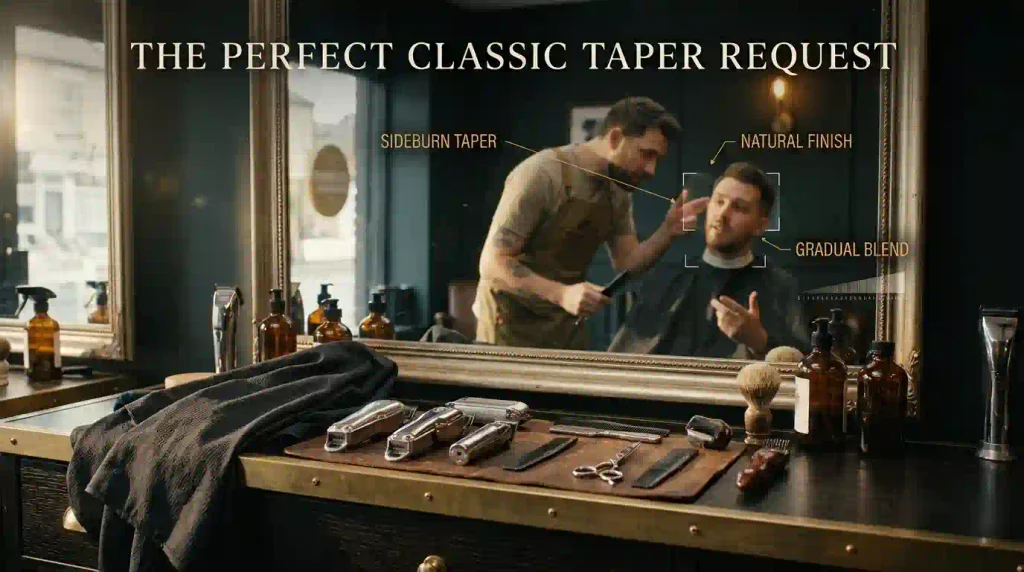
How Barbers Cut a Short Tapered Haircut
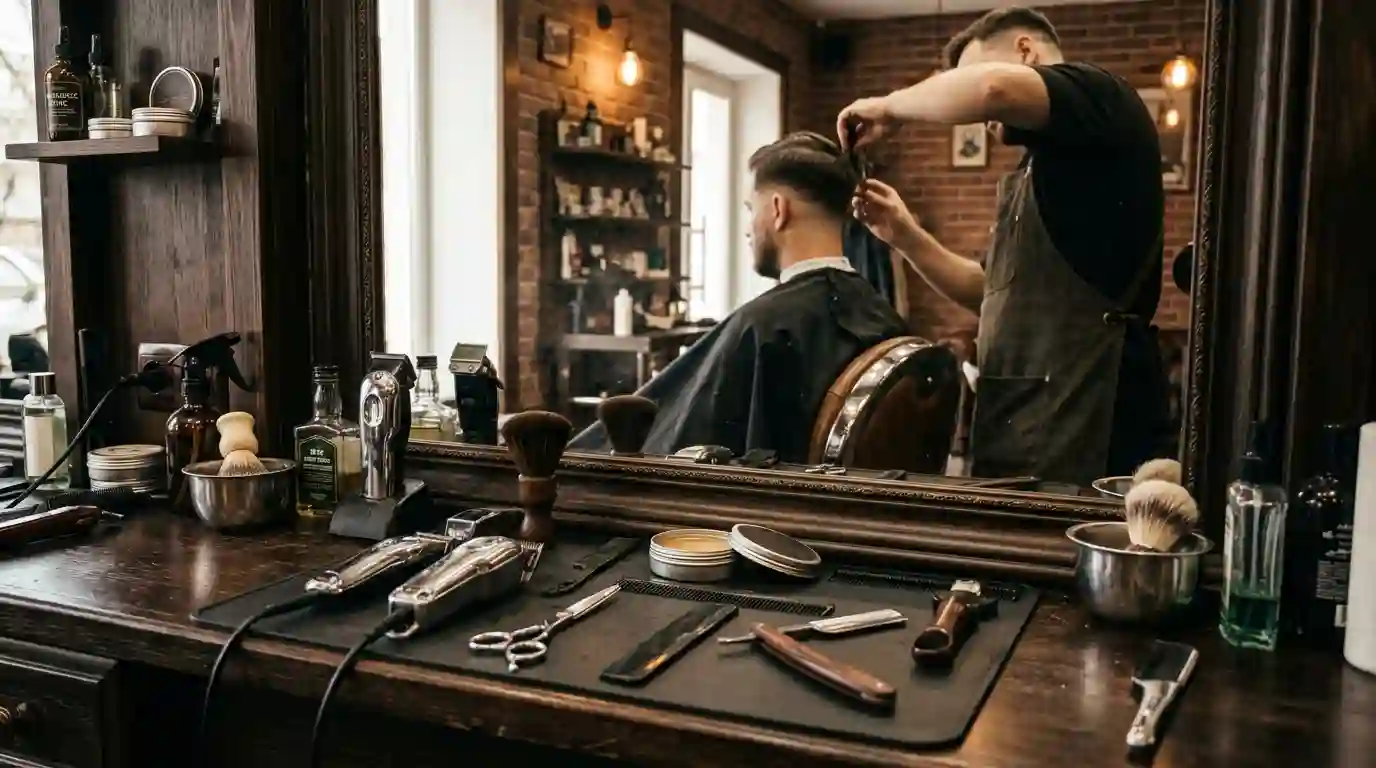
Barbers use clippers and scissors to create a short tapered haircut. Clipper guards help control the hair length, while scissors help shape the top.
The barber gradually blends the sides and neckline so the change in length looks smooth. They may use point cutting to soften the ends or thinning shears to reduce extra bulk in thick hair.
The barber also checks the sideburns, natural neckline, and hairline. These details help the haircut look balanced from the front, sides, and back.
A taper fade follows a similar process, but the blend may be shorter or reach the skin. The exact technique depends on the style you choose.
Best Products for Styling a Classic Taper
You do not need many products to style a classic taper. Choose products based on your hair type and the finish you want.
- Pomade: Helps create a smooth finish.
- Matte paste: Adds texture with little shine.
- Styling cream: Helps shape hair while keeping it flexible.
- Sea salt spray: Can add texture to straight or wavy hair.
- Texture powder: Can help lift hair at the roots.
- Volumizing mousse: Helps support volume in the top.
- Curl-defining cream: Helps shape natural curls.
- Hairspray: Helps hold a finished style in place.
Start with a small amount of product. Using too much can make your hair feel heavy or look greasy.
A hair dryer and vent brush can help lift the roots or direct straight hair into place. If you have curly hair, air-drying may help keep your natural curl pattern.
The History and Timeless Look of the Classic Taper
The classic taper comes from the long tradition of men’s barbering. Neat sides, shaped sideburns, and clean necklines have been features of traditional men’s haircuts for many years.
The style is often linked with the businessman’s cut because it can look neat and professional. Classic men’s hairstyles have also been seen on well-known film stars such as Cary Grant, James Dean, and Paul Newman.
Over time, barbers have changed the classic taper to fit new trends. Modern versions may include textured tops, natural curls, longer hair, or a sharper fade.
The main idea remains the same: keep the sides and neckline neat while choosing a top style that suits your hair.
How to Maintain a Classic Taper Haircut
A classic taper looks neat when the sides and neckline stay in shape. How often you need a trim depends on how quickly your hair grows and how you want it to look.
Follow these simple tips:
- Ask your barber when you should get your next trim.
- Wash your hair as needed for your hair type.
- Use a small amount of suitable styling product.
- Brush or shape the top in your preferred direction.
- Avoid using too much product.
- Bring a reference photo if you want to keep the same style.
Curly and wavy hair may need different products from straight hair. Choose products that work with your natural texture.
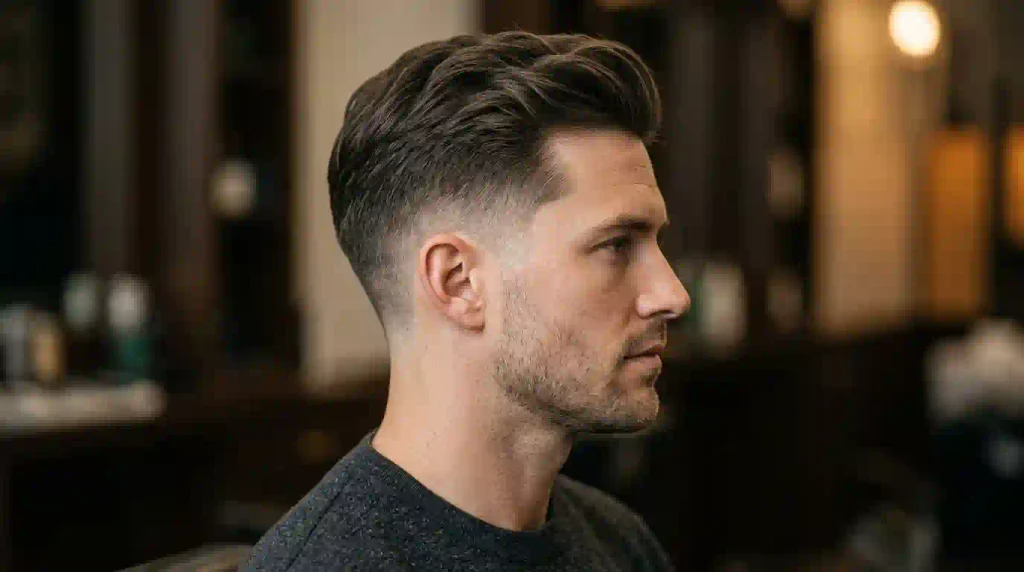
Common Classic Taper Haircut Mistakes
One common mistake is asking for a taper without explaining how short you want the sides. Another is choosing a photo without checking the length of the top.
You may also choose a haircut that takes more time to style than you want. A long pompadour, for example, may need more daily care than a crew cut.
To avoid these problems, discuss the top length, taper height, neckline, and sideburns before the cut begins. Ask your barber to explain the plan if you are unsure.
Frequently Asked Questions
A classic taper usually has a soft, natural finish around the sideburns and neckline. A fade creates a closer blend and may reach the skin.
Yes. A classic taper can keep the sides neat while leaving natural curls on top. You can choose short curls or a longer top.
Yes. A medium top gives you room to try a side part, comb-over, quiff, or textured style.
Not always. A low taper describes where the shorter blend begins. A classic taper usually refers to a more traditional, natural finish.
Yes. A classic taper with a side part, comb-over, or slicked-back top can work well for formal events and professional settings.
This depends on how fast your hair grows and how neat you want the edges to look. Ask your barber to suggest a trim schedule.
Yes. The sideburns can blend into a short or full beard. Your barber can shape the beard line to match the haircut.
It depends on your hair and the finish you want. Pomade can help create a smooth look, matte paste can add texture, and curl cream can help shape natural curls.
Final Thoughts
Classic taper haircuts offer many ways to keep your sides and neckline neat while choosing a top style that fits your needs. You can try a side part, textured crop, quiff, Ivy League cut, natural curls, or a medium-length top.
Your hair type, beard style, and daily routine can help you choose the right option. Talk to your barber about the length, taper placement, and styling products that suit you.
The best classic taper is one that works with your natural hair, feels comfortable, and is easy to maintain.

Jake Carter is a men’s hairstyle and grooming writer who focuses on taper fades, mullets, and modern haircut trends. He breaks down popular styles into simple, practical guides, covering hair types, face shapes, styling, maintenance, and what to ask your barber. His goal is to help readers understand a haircut before they sit in the barber’s chair.