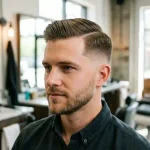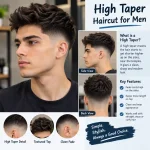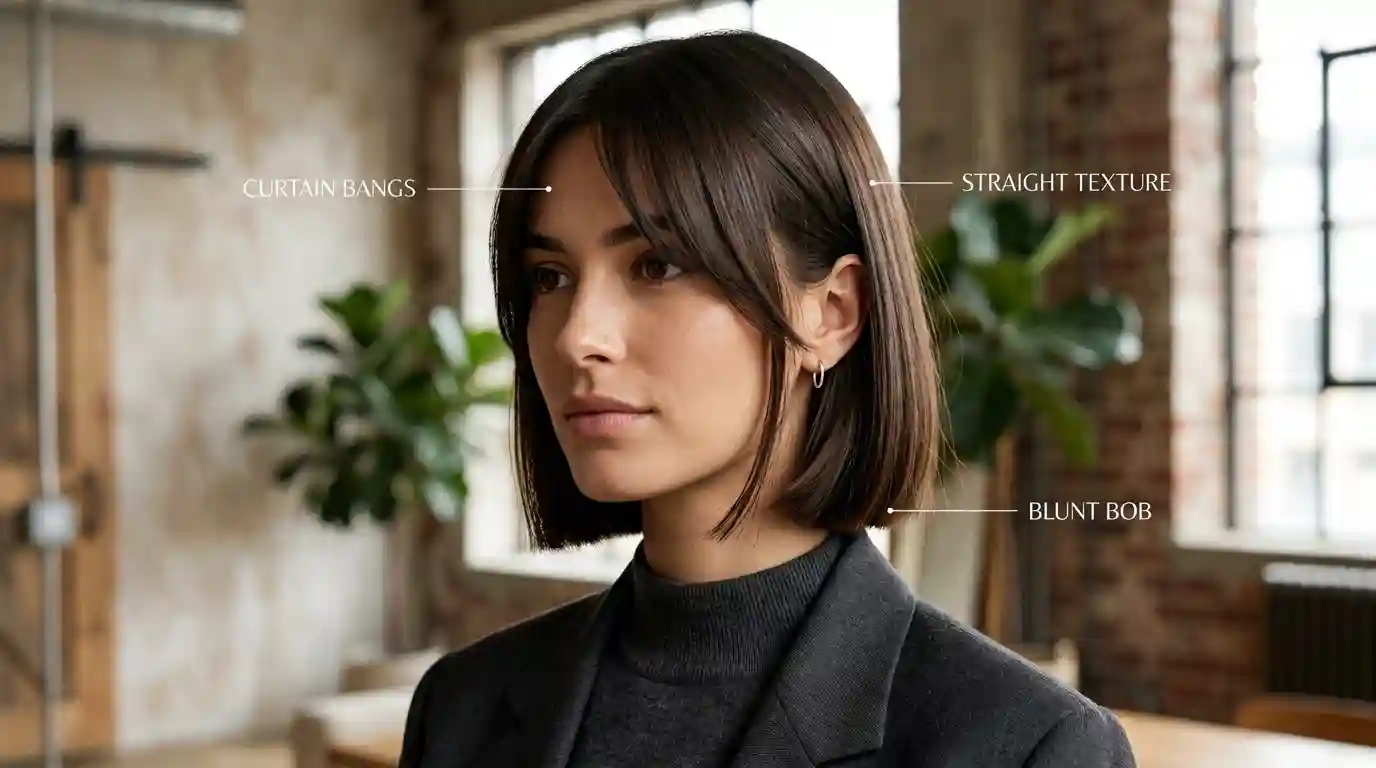
Styles and types help us understand the many ways people dress, create things, and express themselves. In fashion, a style shows how someone chooses clothes, shoes, colors, and accessories.
Some people like simple clothes. Others enjoy bright colors, bold patterns, or creative outfits. There is no single style that everyone must follow.
This guide explains different fashion styles, popular fashion aesthetics, clothing types, and ways to find your personal style.
What Are Styles and Types?
A style is a way of doing something or showing your taste. A type is a group or kind of something.
In fashion, casual style is one way to dress, while formal style is another. Dresses, jeans, shirts, and jackets are different types of clothing.
Learning about styles and types can help you understand fashion and choose clothes for different needs.
Different Types of Fashion Styles
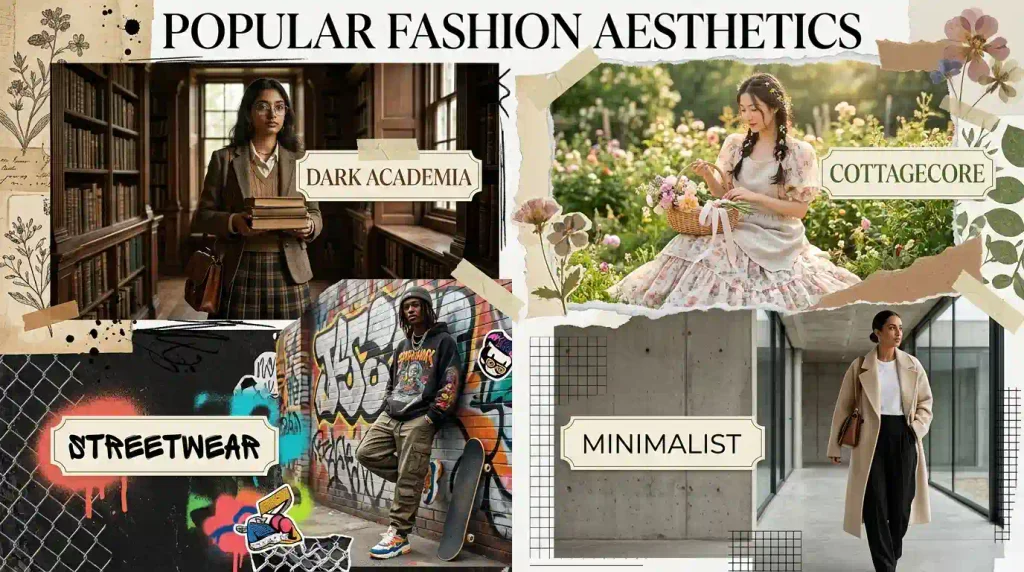
Fashion has many styles. Each style has its own look, colors, clothing, and accessories.
Casual Style
Casual style is made for everyday comfort. It often includes jeans, T-shirts, hoodies, sweatshirts, and sneakers.
People wear casual clothes at home, when meeting friends, or when going shopping. Simple casual outfits are easy to mix and match.
Classic Style
Classic style uses simple clothes that stay popular for many years. Common items include button-down shirts, blazers, tailored trousers, and plain dresses.
Classic clothing often uses colors such as black, white, navy, gray, and beige. These colors are easy to match with other clothes.
Chic Style
Chic style looks neat, simple, and stylish. It may include a well-fitted jacket, a plain dress, smart trousers, and a simple handbag.
The goal is to create a balanced look without adding too many details.
Elegant Style
Elegant style often includes smooth fabrics, neat clothing, and simple accessories. Dresses, skirts, dress shirts, and well-chosen shoes can create an elegant look.
This style is often used for parties, dinners, and special events.
Bohemian Style
Bohemian style, also called boho style, takes ideas from art, travel, and nature. It often includes flowing skirts, loose shirts, earthy colors, floral prints, and crochet details.
Scarves, handmade jewelry, and natural-looking fabrics can also be part.
Streetwear Style
Streetwear is inspired by city life, music, sports, and youth culture. It often includes graphic T-shirts, oversized hoodies, relaxed trousers, and sneakers.
Hip-hop culture has helped shape many streetwear trends. People often use streetwear to show their interests and personal taste.
Grunge Style
Grunge fashion became popular through alternative music culture. It often includes denim, loose shirts, layered clothing, boots, and darker colors.
Some outfits may use plaid shirts, worn-looking jeans, and leather jackets.
Preppy Style
Preppy style takes ideas from school and college clothing. It often includes polo shirts, sweaters, neat trousers, blazers, and loafers.
Plaid and argyle patterns are also common in some preppy outfits.
Minimalist Style
Minimalist fashion focuses on simple designs and useful clothing. It often uses plain shirts, clean shapes, and colors that are easy to match.
A small collection of clothing can create many outfits. This idea is also useful when building a capsule wardrobe.
Sporty Style
Sporty style uses clothing inspired by sports and exercise. It includes tracksuits, leggings, sweatpants, activewear, and sneakers.
These clothes are often made for comfort and movement.
Professional Style
Professional style is often worn at work or at formal meetings. It may include blazers, dress shirts, trousers, simple skirts, and formal shoes.
Some workplaces allow business-casual clothing, while others ask people to wear.
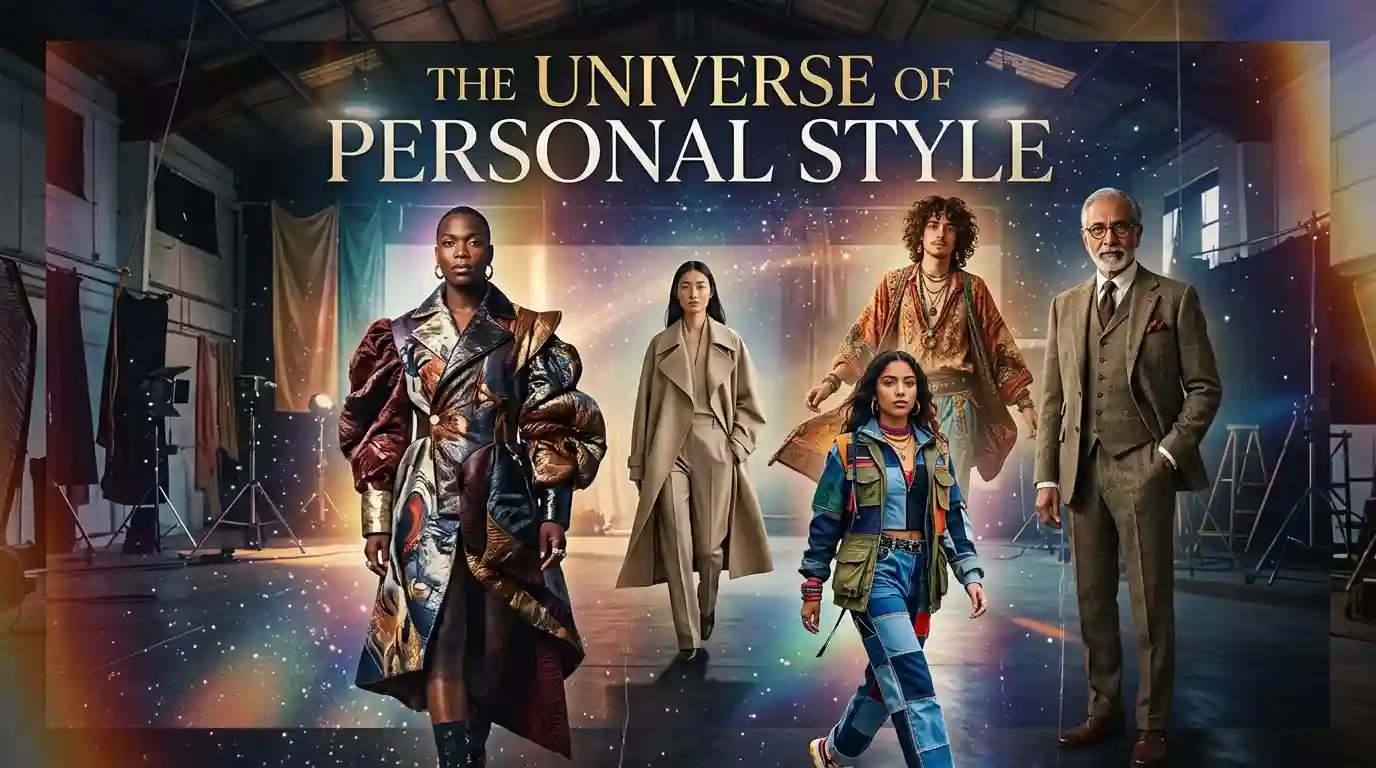
Artsy Style
Artsy style uses creative colors, unusual patterns, and interesting clothing combinations. It may include printed shirts, colorful jackets, unique jewelry, or handmade accessories.
This style is useful for people who enjoy showing their creativity through clothing.
Romantic Style
Romantic fashion often uses soft colors, floral prints, lace, ruffles, and flowing dresses.
Some outfits may include bows, light fabrics, and delicate jewelry. This style often has a gentle and soft look.
Vintage Style
Vintage fashion includes clothing and accessories from an earlier period. Examples may include old dresses, classic handbags, older jackets, and special jewelry.
Vintage items can be found in secondhand shops or passed down through families.
Retro Style
Retro fashion uses new clothes that copy the look of older trends. Bell-bottom pants, bold prints, and colorful designs can create a retro outfit.
Vintage clothing is from an earlier time, while retro clothing is often made today to look like fashion from the past.
Edgy Style
Edgy fashion uses bold details and strong looks. It may include leather jackets, combat boots, dark colors, and unusual accessories.
Some people mix edgy clothing with casual or streetwear items.
Country and Workwear Style
Country and workwear styles focus on practical clothing. They may include denim, sturdy boots, simple shirts, work jackets, and durable trousers.
These clothes are often chosen for outdoor activities or their useful design.
Military-Inspired Style
Military-inspired fashion takes ideas from military uniforms. It may include structured jackets, cargo trousers, buttons, and camouflage prints.
Earthy colors such as olive green, brown, and khaki are common in this style.
Popular Types of Fashion Aesthetics
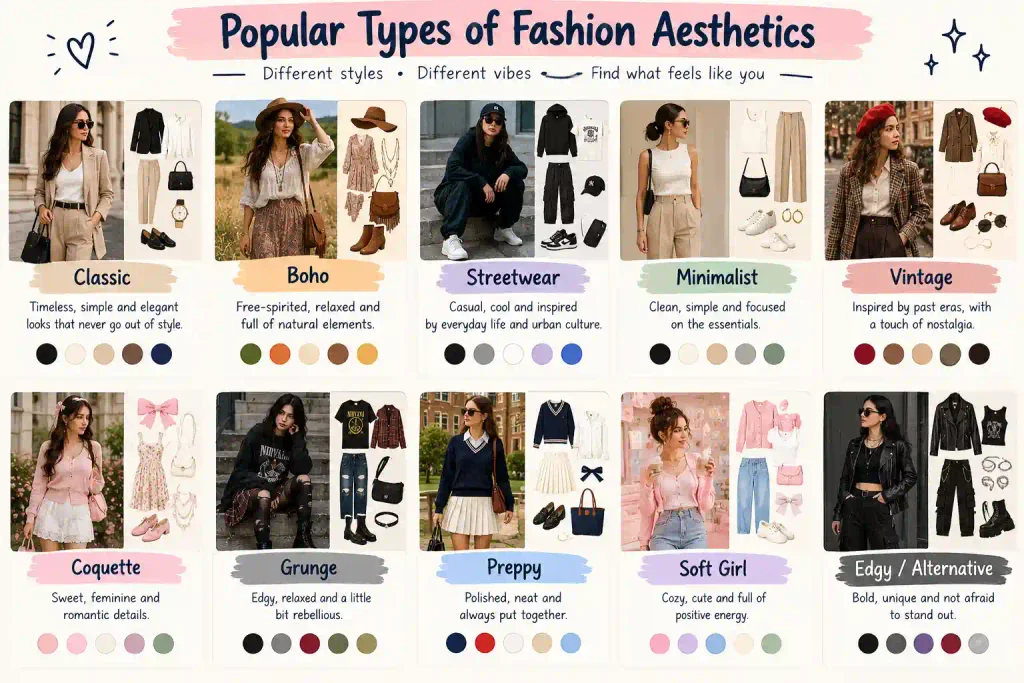
A fashion aesthetic is a look built around certain colors, clothes, and ideas. Some aesthetics take inspiration from nature, books, music, sports, or older fashion trends.
Dark Academia
Dark Academia takes inspiration from books, old schools, and classic learning spaces. It often uses dark colors, sweaters, blazers, button-down shirts, and tailored trousers.
Brown, black, gray, and dark green are common colors in this look.
Cottagecore
Cottagecore takes inspiration from nature and peaceful country life. It often includes floral dresses, soft colors, linen, loose skirts, and simple accessories.
Flowers, gardens, and natural settings are often linked to this aesthetic.
Fairy Kei
Fairy Kei is a playful fashion style that uses pastel colors and cute designs. It may include colorful skirts, printed shirts, soft sweaters, and fun accessories.
Pink, lavender, mint green, and baby blue are common colors.
Gorpcore
Gorpcore combines outdoor clothing with everyday fashion. It may include hiking jackets, practical trousers, outdoor shoes, and useful bags.
This style takes ideas from hiking and other outdoor activities.
Acubi Style
Acubi is a modern fashion aesthetic often linked to simple shapes, layered clothing, muted colors, and relaxed outfits.
People may combine fitted tops, loose trousers, and simple accessories to create this look.
Mori Kei
Mori Kei takes inspiration from forests and nature. It often uses loose layers, earthy colors, soft fabrics, and comfortable clothing.
Brown, cream, green, and other natural shades can help create this look.
Balletcore
Balletcore takes ideas from ballet clothing. It may include wrap tops, soft skirts, leg warmers, ballet-inspired flats, and pastel colors.
The style uses gentle shapes and simple details.
Lolita Fashion
Lolita fashion is a detailed style known for dresses, skirts, bows, and carefully chosen accessories. It has different forms, including Classic Lolita, Sweet Lolita, and Gothic Lolita.
Each form uses different colors, designs, and details.
Decora Style
Decora is a colorful and playful fashion style. It often includes bright clothing, hair clips, bracelets, and many fun accessories.
People use different colors and patterns to create a lively look.
Gothic Fashion
Gothic fashion often uses dark colors, boots, lace, and dramatic details. Some people prefer Traditional Goth, while others enjoy Romantic Goth or Nu-Goth.
Gothic fashion has many forms, so every outfit does not need to look the same.
Techwear
Techwear combines a modern look with useful clothing features. It may include jackets with pockets, practical trousers, layered outfits, and weather-ready materials.
Many techwear outfits use black, gray, and other simple colors.
Other Fashion Aesthetics
Other styles include Regencycore, Balletcore, Mob Wife, Downtown Girl, Eclectic Grandpa, VSCO Girl, Tenniscore, and Tomato Girl Summer.
Each aesthetic takes ideas from different clothing trends, activities, or cultural influences. You can explore them to find looks that match your taste.
Types of Clothing
Clothing items are the building blocks of fashion. The same item can look different when paired with other clothes, shoes, or accessories.
Common types of clothing include:
- T-shirts and button-down shirts
- Jeans, trousers, and leggings
- Blazers, jackets, and trench coats
- Dresses, skirts, and tunics
- Hoodies, sweatshirts, and sweaters
- Tracksuits and activewear
- Evening gowns and maxi dresses
- A-line dresses and work outfits
- Leather jackets and denim jackets
- Bell-bottom pants and sweatpants
Different clothing items suit different activities. For example, activewear is useful for exercise, while a blazer may suit a work meeting.
Shoes and Accessories
Shoes and accessories help complete an outfit. They can also change the look of simple clothing.
Common shoe types include sneakers, loafers, ballet flats, Mary Jane shoes, combat boots, boat shoes, and high heels.
Accessories include handbags, clutches, belts, scarves, hats, beanies, watches, sunglasses, ties, and jewelry.
You do not need many accessories to create a good outfit. A simple bag or a watch may be enough to complete your look.
Fabrics, Patterns, and Colors
Fabric, pattern, and color are important parts of fashion. They help give clothes their look and feel.
Common Fabrics
Cotton is used in many everyday clothes. Linen is often chosen for its light feel. Silk, velvet, chiffon, lace, and tulle can be used for dressier outfits.
Denim and leather are popular in casual and edgy fashion. Tweed can create a classic look, while crochet can add texture to an outfit.
Popular Patterns
Floral prints often appear in romantic and cottagecore clothing. Plaid and argyle can create a preppy look.
Other common patterns include stripes, polka dots, graphic prints, and camouflage. Each pattern can change the feel of an outfit.
Fashion Colors
Neutral colors include black, white, gray, and beige. They are easy to match with other colors.
Pastel colors create a soft look. Earthy tones, such as brown, olive green, and tan, often suit nature-inspired outfits.
A monochromatic outfit uses different shades of one color. For example, a person might wear light blue, medium blue, and dark blue together.
Fashion History and Cultural Influences
Fashion changes over time. Some old trends return, while new styles grow from music, sports, art, and daily life.
Hip-hop culture has influenced streetwear. Alternative music helped shape some grunge looks. School and college clothing influenced preppy fashion, while outdoor activities helped inspire gorpcore.
Fashion can also reflect local traditions and cultural history. It is helpful to learn about these influences with care and respect.
How to Find Your Personal Fashion Style
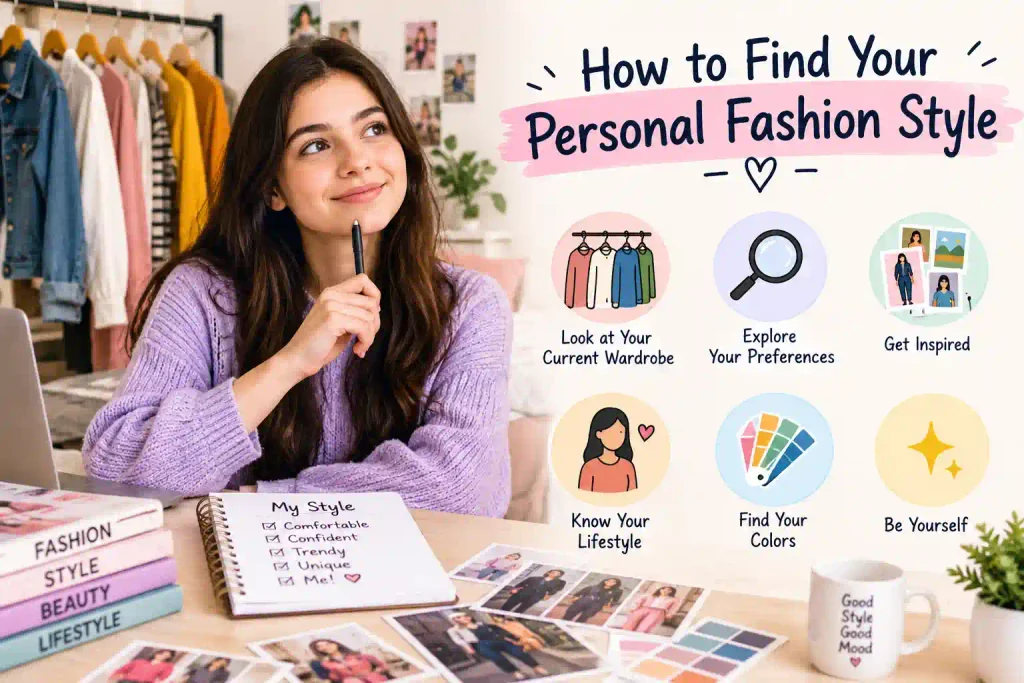
Your personal style is the mix of clothes, colors, and details you enjoy wearing. You do not have to follow every trend or choose only one fashion style.
Start by looking at the clothes you already like. Notice your favorite colors, patterns, and clothing types. You can also save pictures of outfits that inspire you.
Try building a capsule wardrobe with useful items that work well together. For example, jeans, plain shirts, a sweater, a blazer, and comfortable shoes can create many outfits.
Some people also choose a personal uniform. This means wearing a few favorite outfit types often because they are easy and comfortable.
You can mix styles, too. Try classic trousers with a casual T-shirt, or wear a simple dress with a denim jacket. Layering clothes can also make an outfit more interesting.
The goal is to find clothes that suit your daily life and personal taste.
How to Choose Clothes for Different Occasions
Different occasions may need different outfits.
For everyday activities, jeans, T-shirts, and sneakers are often useful.
For a party, you might choose an elegant dress, a neat shirt, or an outfit with special accessories.
Always think about the event, weather, comfort, and any dress rules before choosing what to wear.
Smart Casual vs. Business Casual
Smart casual and business casual are similar, but they are not always the same.
Smart casual combines relaxed clothing with a neat look. It may include dark jeans, a clean shirt, a simple jacket, and suitable shoes.
Business casual is often used in workplaces. It may include dress shirts, blouses, trousers, skirts, and neat shoes.
The right choice depends on the event and the rules of the workplace.
How to Combine Different Fashion Styles
You can mix fashion styles to create your own look. Start with one main style and add a small detail from another.
For example, wear classic trousers with a casual T-shirt. You can also combine a vintage handbag with a simple modern outfit.
Try to balance colors and patterns. If your clothes have bold prints, simple accessories may work well. If your outfit is plain, a colorful scarf or bag can add interest.
There are no strict rules for every outfit. Choose combinations that feel comfortable and suit your needs.
Styles and Types Beyond Fashion
The words “styles and types” can also describe other topics. These topics are different from fashion, but they show how styles can be used in many areas.
Styles and Types of Communication
Communication is how people share ideas and information. Common types include verbal communication, non-verbal communication, written communication, and visual communication.
People may also use different communication styles, such as direct, friendly, formal, or passive. The best style depends on the person and situation.
Styles and Types of Leadership
Leadership is the way a person guides a group. Common leadership styles include democratic, autocratic, transformational, and servant leadership.
A democratic leader asks for ideas from others. An autocratic leader makes decisions with less group input. Different situations may need different approaches.

Styles and Types of Art
Art has many styles, such as realistic art, abstract art, impressionism, surrealism, and pop art.
Some artists show real people and places. Others use shapes, colors, or unusual ideas to express their thoughts.
Styles and Types of Music
Music includes many styles and genres. Common examples are pop, rock, jazz, classical, hip-hop, country, and folk music.
Each genre may use different instruments, rhythms, and ways of singing.
Styles and Types of Gardens
Gardens can have different designs. Common garden styles include cottage gardens, formal gardens, Japanese gardens, tropical gardens, and modern gardens.
Some gardens focus on flowers, while others use paths, water features, trees, or simple designs.
Motorcycle Styles and Types
Motorcycles are made for different uses. Common types include cruisers, sport bikes, touring motorcycles, adventure bikes, dirt bikes, and standard motorcycles.
Each type has different features. Some are designed for long trips, while others are made for roads or off-road riding.
Tattoo Styles and Types
Tattoo art includes many styles, such as traditional, fine-line, geometric, watercolor, and realistic tattoos.
Each style uses different lines, shapes, and colors. Anyone thinking about a tattoo should learn about safety, hygiene, and the long-term nature of the choice.
Learning Styles and Types
People learn in different ways. Some learn well by reading, listening, watching examples, or practicing a task.
It can help to use a mix of learning methods. Reading, drawing, listening, asking questions, and solving problems can all support learning.
Attachment Styles and Types
Attachment styles describe patterns in how people connect with others. Common terms include secure, anxious, avoidant, and disorganized attachment.
These terms are used in psychology. They are not simple labels for a person’s whole life, and people’s relationships can change with experience.
Wedding Dress Styles and Types
Wedding dresses come in many shapes and designs. Common types include A-line, ball gown, mermaid, sheath, and empire-waist dresses.
Some dresses have lace, long sleeves, simple designs, or flowing skirts. The best choice depends on comfort, personal taste, and the event.
Dress Styles and Types
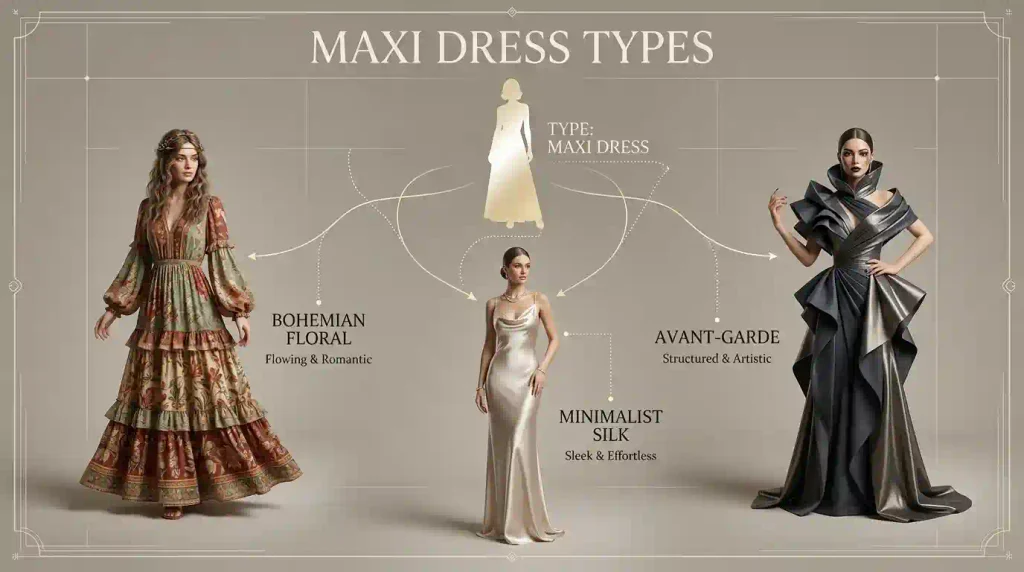
Dresses can be grouped by shape, length, or purpose. Common examples include maxi dresses, midi dresses, mini dresses, wrap dresses, shirt dresses, and A-line dresses.
Some are made for everyday wear, while others suit formal events.
Frequently Asked Questions
Common fashion styles include casual, classic, chic, elegant, bohemian, streetwear, grunge, preppy, minimalist, sporty, professional, artsy, romantic, vintage, and retro.
A fashion style describes how someone dresses. A fashion aesthetic is a more specific look built around certain colors, clothes, ideas, or influences. The two terms can overlap.
Popular examples include Dark Academia, Cottagecore, Fairy Kei, Gorpcore, Acubi, Mori Kei, Balletcore, Lolita, Decora, Gothic fashion, and Techwear.
Vintage fashion usually includes items made in an earlier period. Retro fashion often uses new items that copy older trends.
Look at the clothes you enjoy, choose colors you like, and try different outfits. You can mix ideas from several styles to create a look that suits your daily life.
Yes. You can mix styles to create a personal look. For example, classic trousers can work with a casual T-shirt, or a simple dress can be paired with a denim jacket.
Popular choices include casual, classic, smart casual, streetwear, minimalist, sporty, and professional styles. The right style depends on personal taste and the occasion.
Final Thoughts
There are many styles and types of fashion, from classic and casual clothing to creative aesthetics such as Cottagecore, Dark Academia, Fairy Kei, and Gorpcore.
Clothing, fabrics, patterns, colors, shoes, and accessories all help shape an outfit. Fashion also takes ideas from music, art, sports, history, and culture.
You can explore different styles, learn what makes them special, and try new outfit ideas. You do not need to follow every trend. Choose clothes that suit your needs, feel comfortable, and help you express your personal taste.

Jake Carter is a men’s hairstyle and grooming writer who focuses on taper fades, mullets, and modern haircut trends. He breaks down popular styles into simple, practical guides, covering hair types, face shapes, styling, maintenance, and what to ask your barber. His goal is to help readers understand a haircut before they sit in the barber’s chair.